Pump Output Consistency: Critical Specifications for Viscous Beauty Products
In the premium personal care market, the moment a consumer presses down on a pump is a moment of truth. That single actuation carries an outsized weight: it communicates quality, value, and brand reliability long before the product ever touches skin. A smooth, confident dose that delivers exactly the right amount tells the consumer they made a sound purchase. A weak, sputtering, or inconsistent stroke does the opposite, planting a seed of doubt that no amount of marketing can fully undo. In a category where customers pay a premium for the experience as much as the formulation, the dispensing mechanism is not a peripheral component—it is an extension of the product itself.
The stakes of getting this right run in both directions. When the dose is too small, the user feels shortchanged and must pump repeatedly, an irritation that quietly erodes loyalty. When the dose is too large, product is wasted, the container empties faster than expected, and the brand absorbs the cost of every milliliter of unnecessary give-away. Multiplied across millions of units, these seemingly minor variations translate into real consequences for margins, sustainability metrics, and consumer satisfaction. For high-value formulations in particular, where each ounce represents significant cost, dispensing precision becomes a measurable financial concern rather than a mere matter of user convenience.
For thick serums, rich moisturizers, dense creams, and luxurious body butters, getting that dose right is far harder than it appears. These formulations resist flow at every stage of the dispensing process, demanding far more from a pump than a simple liquid ever would. The thicker the product, the more the entire system—pump mechanism, dip tube, container, and closure—must be deliberately engineered to work in concert. This is why pump output consistency has become one of the most scrutinized specifications in modern beauty packaging. It sits at the intersection of formulation science, mechanical engineering, and brand experience, and it cannot be treated as an afterthought bolted on at the end of development.
For enterprise brands managing dozens or even hundreds of SKUs across global supply chains, understanding the engineering behind dispensing is no longer optional—it is a core competency that separates polished, dependable products from problematic ones. The brands that master these specifications protect their margins, delight their customers, and avoid the costly recalls and complaints that follow a dispensing failure in the field. Those that overlook them learn the hard way that a flawless formulation in a poorly matched package is still a flawed product. The sections that follow examine the technical realities of dispensing viscous beauty products viscous beauty products—from the physics of viscosity to material selection, closure compatibility, and validation testing—and explain what it takes to achieve the reliable performance that premium cosmetics packaging demands.
The Physics of Dispensing Viscous Beauty Products
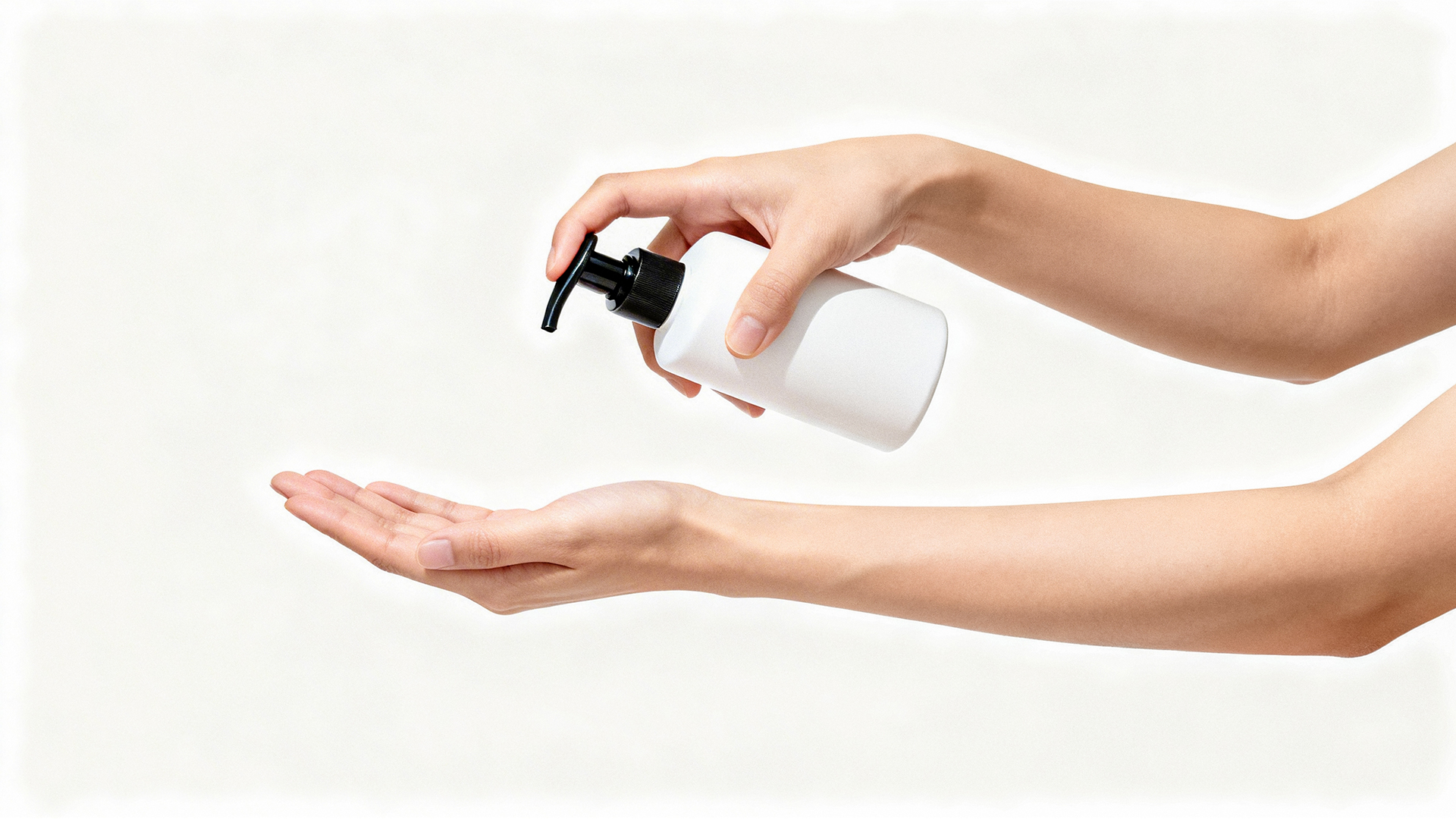
Viscosity is the property that defines how readily a fluid flows, and it sits at the heart of every challenge in dispensing thick formulations. Water flows freely; a body butter does not. When a formulation is highly viscous, it resists being drawn up a dip tube, resists passing through the narrow internal channels of a pump, and resists clean break-off at the orifice. Each of these resistances directly affects how much product emerges with every stroke.
The relationship between formulation and mechanism is dynamic rather than static. Temperature shifts during shipping and storage can dramatically alter viscosity, meaning a pump calibrated for a product at room temperature may underperform in a cold warehouse or a humid bathroom. This is precisely why specifying a dispensing system for viscous beauty products requires testing against the actual formulation rather than relying on generic assumptions. A pump that delivers flawless output with a thin toner will choke on a thick anti-aging cream, and the inverse holds equally true. Matching the mechanism to the rheology of the fluid is the foundational engineering decision in cosmetics packaging.

Understanding Pump Output and How It’s Measured
At its simplest, pump output refers to the volume of product dispensed in a single full actuation of the pump, typically measured in milliliters or in dosage per stroke. A standard lotion pump might be rated to deliver anywhere from 0.5 mL to 4 mL per stroke, depending on its size and design, and this figure is determined through controlled laboratory testing where the pump is actuated repeatedly, and the dispensed volume is weighed and averaged.
The critical word here is consistency. A pump rated at 2 mL per stroke is only useful if it reliably delivers close to that figure across hundreds of actuations, across an entire production lot, and across the full life of the container as it empties. Manufacturers express acceptable variation as a dosage tolerance, and tight tolerances matter enormously for high-value formulations. When a serum costs a premium per ounce, even small overdosing multiplied across millions of units represents significant give-away cost. This is where pump output consistency moves from a technical detail to a measurable business concern that affects margins, consumer satisfaction, and brand perception in the competitive world of beauty packaging.

Anatomy of a Lotion Pump
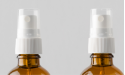
To understand why output varies, it helps to look inside a lotion pump . Though it looks like a simple plastic fitting, a pump is a precision assembly of interacting parts. The actuator is the pressable top that the user engages. Beneath it sits a stem connected to a piston that moves within a sealed chamber. A spring returns the piston to its resting position after each press, and a pair of valves—an inlet ball valve at the base and an outlet valve near the actuator—control the one-way flow of product.
When the actuator is depressed, the piston compresses the chamber, closing the inlet valve and forcing product out through the orifice. When released, the spring drives the piston back, creating suction that draws fresh product up the dip tube to refill the chamber for the next stroke. The dimensions of the chamber largely determine the rated output, while the spring strength, valve sealing, and internal channel diameter govern how reliably that output is achieved with thick formulations. For viscous beauty products, the refill phase is often the bottleneck: if the formulation cannot flow back into the chamber quickly enough, subsequent strokes deliver a partial or sputtering dose. Engineering pumps with wider internal channels and stronger springs is a common strategy to maintain pump output consistency with denser products.

Dip Tube Geometry and Container Pairing
The dip tube is the slender straw extending from the pump down into the product, and its specifications are far more consequential than most brands appreciate. For thin liquids, a narrow dip tube is fine. For thick creams, that same narrow tube becomes a chokepoint, starving the chamber and degrading output. Wider-bore dip tubes are typically specified for viscous beauty products to reduce flow resistance.
Equally important is how the dip tube is cut and how it relates to the geometry of the container. The tube should reach near the base of the bottle so that the product can be evacuated as the container empties. In a tall, narrow glass bottle, this requires a longer tube than in a squat plastic jar. Mismatched tube lengths leave product stranded at the bottom—an avoidable waste that frustrates consumers and undermines the perceived value of premium cosmetics packaging. Because every container has a distinct internal profile, pairing the right closure with the right bottle is an exercise in deliberate engineering rather than off-the-shelf assembly.

Material Selection: Glass vs. Plastic in Cosmetics Packaging
The choice between glass and plastic containers has direct implications for pump performance and broader brand strategy. Glass conveys weight, permanence, and luxury, and it provides an excellent barrier against oxygen and moisture that can degrade sensitive active ingredients in serums and treatments. Its rigidity also means it does not deform under the suction forces a pump generates, which helps preserve stable pump output over the container’s life. The trade-offs are weight, fragility, and higher shipping costs—considerations that matter at enterprise scale.
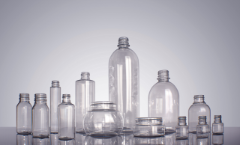
Plastic, by contrast, offers design flexibility, impact resistance, and lighter shipping weights. Modern resins such as PET and PP can achieve impressive clarity and can be engineered to resist the chemical interactions some formulations provoke. However, thin-walled plastic containers can flex under repeated pump suction, and selecting an appropriate wall thickness is necessary to maintain dispensing reliability. Choosing between these materials is rarely a simple decision, and O.Berk’s extensive glass and plastic featured collections reflect how varied the options have become. The broader industry continues to debate these trade-offs, as ongoing coverage of href=”https://www.packagingdigest.com/” target="_blank"> packaging material trends makes clear. The right answer depends on the formulation, the price point, the brand positioning, and the sustainability commitments of the company behind the product—all variables that competent beauty packaging partners help navigate.

Closure Compatibility and Engineering Tolerances
A pump is only as good as its fit with the container. Neck finishes—the standardized dimensions of a bottle’s threaded opening—must precisely match the pump's closure to create a reliable seal. A poor seal allows air ingress, which can cause priming problems, leakage during transit, and inconsistent dispensing. Closure tolerances are measured in fractions of a millimeter, and even minor mismatches can compromise pump output consistency across a production run.
This is where deep supplier expertise proves invaluable. Matching the correct neck finish, closure liner, and pump assembly requires both a catalog of compatible components and the engineering knowledge to validate the combination. The industry press regularly highlights how closure innovation continues to evolve, with airless systems and lockable actuators addressing both performance and travel-safety concerns. For beauty packaging programs spanning multiple formulations, standardizing on compatible neck finishes wherever possible streamlines sourcing and reduces the risk of mismatched assemblies reaching the production line.

Testing, Validation, and Quality Control
No specification is meaningful without validation. Reliable pump output consistency is confirmed through actuation testing, where pumps are cycled hundreds or thousands of times with the actual product, and the dispensed volume is monitored for drift. Priming tests confirm how many strokes are needed before the first full dose emerges—a meaningful factor for consumer experience, since a pump that requires excessive priming feels broken even when it is working as designed.
Additional validation includes leak testing under simulated transit conditions, compatibility testing to ensure the formulation does not corrode or swell pump components over its shelf life, and cold-flow testing to confirm performance at low temperatures. As coverage in packaging engineering publications packaging engineering publications frequently emphasizes, rigorous pre-launch testing prevents the costly recalls and consumer complaints that arise when dispensing fails in the field. Working through O.Berk’s packaging end-to-end services allows brands to validate these specifications before committing to large production volumes, de-risking launches of viscous beauty products.

Sustainability Considerations
Dispensing systems present a genuine sustainability challenge. Traditional pumps combine multiple materials—plastic housings, metal springs, and various internal components—which complicates recycling. As regulatory and consumer pressure intensifies, the industry is responding with mono-material pumps, metal-free spring designs, and refillable architectures that extend the useful life of the more durable glass or plastic outer container. Reporting on sustainable packaging regulation underscores how quickly these expectations are becoming formalized requirements rather than voluntary aspirations.
For enterprise brands, reconciling dispensing performance with recyclability is an emerging frontier. A refillable glass bottle paired with a recyclable pump can dramatically reduce material consumption over a product’s life, but only if the pump still delivers the consistent output consumers expect. Sustainability and performance need not be in tension, but achieving both requires the kind of lifecycle-aware sourcing that distinguishes thoughtful cosmetics packaging strategies. Industry analysis featured in packaging innovation coverage continues to track how brands balance these competing demands.

Your Partner in Precision Dispensing
Pump output consistency is far more than a technical footnote—it is a defining specification that shapes how consumers experience a product and how efficiently a brand manages its margins. As this discussion has shown, achieving reliable dispensing for viscous beauty products depends on a chain of interrelated decisions: matching the pump mechanism to the formulation’s viscosity, specifying appropriate dip tube geometry, selecting between glass and plastic containers with their respective performance trade-offs, ensuring precise closure compatibility, and validating everything through rigorous testing. No single component operates in isolation, and the difference between a pump that delights and one that disappoints often comes down to engineering details measured in fractions of a millimeter.
This is exactly where O.Berk earns its place in a brand’s supply chain. Drawing on more than a century of packaging expertise and one of the largest glass and plastics manufacturing networks in the industry, O.Berk helps beauty brands navigate every variable that affects dispensing performance. Our team will work with your actual formulation to recommend a pump engineered for your product’s viscosity —specifying the right chamber size, spring strength, dip tube bore, and orifice to deliver the dose you want, every single time. We will pair that pump with a compatible glass or plastic container from our extensive featured collections , validating neck finishes and closure tolerances so the assembly performs reliably from the first prime to the last stroke.
For brands whose needs fall outside standard catalog options, O.Berk’s Engineering and Creative teams can go Beyond Stock , developing custom dispensing solutions tailored to your formulation, brand aesthetic, and sustainability goals. And because we manage projects through end-to-end services , we can validate your dispensing system before you commit to full production volumes—de-risking your launch and protecting both your margins and your reputation.
If you are developing a serum, cream, or any other viscous beauty product, getting pump output right is one of the most valuable investments your cosmetics packaging program can make. In a market where the first impression is literally the first press, the right partner makes all the difference. Reach out to O.Berk Reach out to O.Berk to put our expertise to work on your next beauty packaging project—and ensure that every actuation reflects the quality your brand stands for.